Map revenue and orders
Plot UK retail sales data so location targets line up with order density you already recognise.

Geo targeting marketing for UK retail
AI-powered campaign planning insight helps teams use UK sales exports for geo-targeting, from postcode hotspots to regional offer planning, so marketing activity starts with clearer location-based evidence.
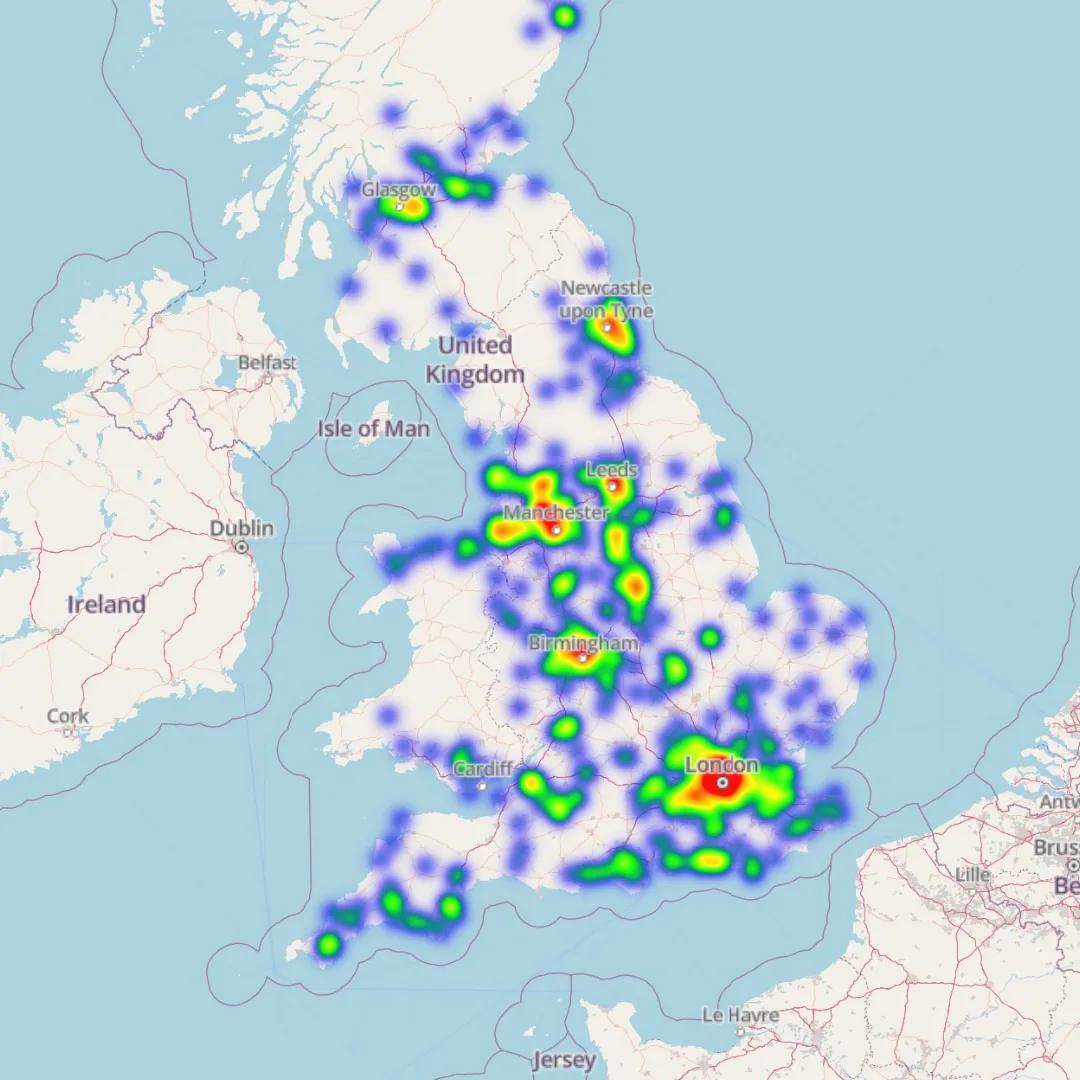
Broad UK defaults or national plans can miss where orders already cluster. Postcode demand data helps align spend and creative with real sales geography before you lock media plans, without replacing your trafficking team or platform workflows.
Use AI-powered sales and postcode insight to support geo-targeting, regional campaign planning and location-based marketing decisions.
Geo-targeted retail marketing here means planning which UK regions, cities, or postcode groups merit tests in channels you already operate. Typical campaign shapes include paid social with radius or inclusion lists, search campaigns with location modifiers, regional offers or loyalty bursts, and product campaigns where creative references local assortment strength.
Maps read from commerce exports describe where demand already shows up in your data. That view complements platform geo suggestions but does not validate match rates, audience sizes, or auction dynamics inside each network.
Plot UK retail sales data so location targets line up with order density you already recognise.
Surface clusters that deserve creative rotation or budget tests without promising lift.
Match regional product performance to local messaging when data allows.
Highlight postcodes where demand signals and revenue diverge for coverage reviews.
When exports tag acquisition source cleanly, compare geography across channels you already measure.
Use consistent date ranges so seasonal tests stay comparable week to week.
A growth team plans a paid social radius test around three cities. Platform defaults suggest wide radii, but demand maps show two of the cities already over-index on orders while the third shows thin revenue despite clicks. The team narrows the third city for a fulfilment and offer review before increasing spend. MapDemand.ai informed the workshop; it did not change any ad set.
Campaign source and conversion metrics only help when attribution definitions match how your export was built.
Use this analysis to support campaign planning, regional prioritisation, and practical test design with your media team.
Geo-targeted retail marketing plans acquisition or retention activity around UK regions, cities, or postcodes based on where customers already shop or where you intend controlled tests. It covers ideas such as paid social radius targets, search location settings, regional offers, and product-led pushes when creative references local demand.
Teams often use the same export to discuss paid social geography, search campaigns with location modifiers, regional offers or vouchers, and product-specific bursts tied to hotspots. MapDemand.ai does not push settings into ad platforms; it helps you agree which geographies deserve a conversation before media trafficking.
Maps layer orders and revenue on geography so planning can anchor geo targeting somewhere between intuition and platform defaults alone.
Nothing guarantees ROAS lift. MapDemand.ai does not run ads. It supports analysis so you can weigh where geography-led tests might be sensible alongside your attribution stack and the dedicated ROAS planning use case.
No. Mapping and geography insight only. Your agency or internal media team retains campaign execution inside native ad tools.
Postcode or region plus revenue and orders forms a pragmatic baseline when exports are clean. Add product category, sales channel, campaign source, conversion rate, average order value, or time period when definitions stay stable enough for fair maps.
Yes. National shippers still run regional tests that benefit from demand maps tied to postcode data.
No. It is a geographic demand mapping layer for planning. Buying, bidding, and creative trafficking stay in the tools you already use.
Use the form below to get early access if postcode demand mapping matters for your campaigns.