Regional and postcode revenue views
See concentration and tails so leadership debates expansion with the same grain as analysts.

UK market expansion and location analysis
AI-powered location insight helps founders and commercial teams sequence UK market expansion by comparing postcode and regional sales, product demand, and market penetration patterns before committing to new market tests.
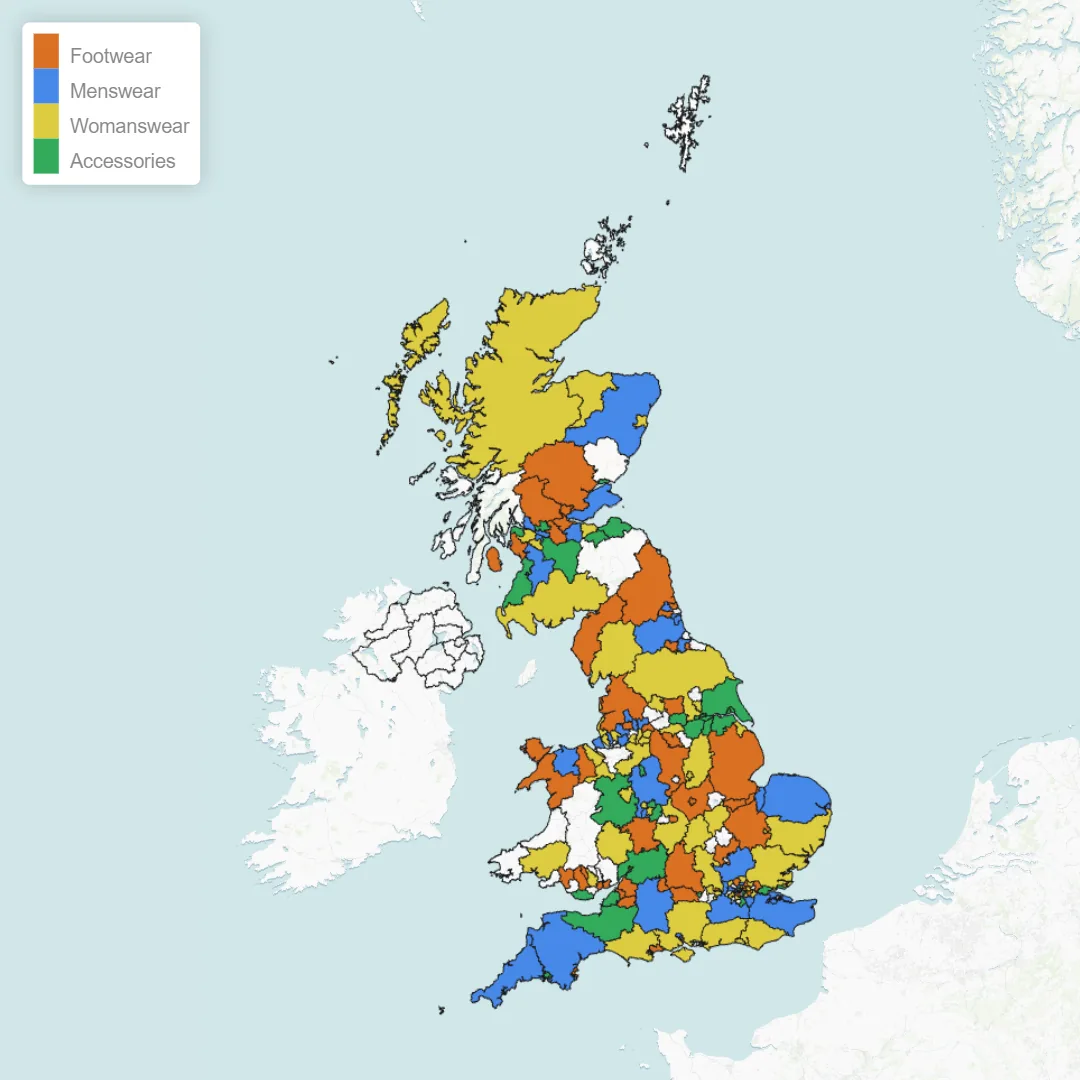
Headline revenue rarely shows which UK corridors are gaining momentum versus where penetration still looks thin. A shared map aligns trading, operations, and marketing on the same geographic evidence before capital, inventory, or media plans move.
Use AI-powered location insight to support market expansion, product demand analysis and new market location planning.
Market expansion location analysis here means comparing regions and postcodes in your own export to discuss where growth tests might sit next on the roadmap. A new market location is any geography you serve lightly today where demand signals in the data suggest cautious follow-up, not automatic green lights for new facilities or markets.
Maps of current orders and revenue reveal where demand already clusters and where fulfilment, range, or service may still lag. That step reduces the risk of funding broad expansion when nearer-term geographic fixes might be more efficient.
Penetration depth describes where you already sell but share or basket may still climb with incremental tests that reuse existing footprints. Opportunity breadth describes modest revenue next to clearer demand cues such as order growth or category strength. Product demand differs by geography because of seasons, fulfilment speed, competition, or range breadth; mapping category with place keeps those conversations factual.
See concentration and tails so leadership debates expansion with the same grain as analysts.
Compare order counts across areas when time periods in the export stay comparable.
Split maps by category or SKU to sequence range or marketing tests by place.
Separate web, marketplace, or store-linked demand when channel fields are trustworthy.
Layer territory or fulfilment fields when they exist so ops join the same map.
Turn export rules into one visual brief before finance and logistics deep dives.
An omnichannel brand plans a northern push. National dashboards look healthy, but postcode maps show rising orders in two cities with flat revenue and a narrow category mix. The leadership team uses the same export in MapDemand.ai to agree those cities are expansion candidates for a fulfilment and range workshop first, not immediate nationwide media scaling. The map does not approve the expansion; it aligns the first geographic question.
Stable time windows and clean product hierarchies matter more than adding every optional column at once.
Use this analysis to prioritise where to investigate first, then validate with finance, operations, and feasibility checks.
Market expansion analysis compares UK regions, postcodes, and channels using your sales export so leadership can discuss where to deepen penetration versus where to trial new coverage. It supports prioritisation conversations; it does not replace finance models or logistics sign-off.
A new market location is any geography you serve lightly today where postcode or regional demand suggests a cautious test could be worthwhile, such as a corridor with rising orders but modest revenue, or a catchment adjacent to a strong hub. Physical expansion, new depots, or new stores remain separate decisions with their own constraints.
Maps of current orders and revenue show where demand already concentrates and where fulfilment or range may still be thin. That context helps you avoid scaling national bets when the export already hints at more efficient next steps closer to existing strengths.
Penetration depth focuses on places you already sell where share or basket may still climb with incremental tests. Opportunity breadth focuses on modest revenue next to clearer demand cues such as order growth or category strength. Both views are hypotheses until operations and finance validate them.
When category or SKU travels with geography, you can see whether a region leans on one assortment while another category underperforms. That product-by-region shape informs range, marketing, or service follow-up without claiming automatic expansion wins.
Yes when your export joins product category or SKU with geography. Category-filled views are part of the planned roadmap for early-access releases.
Yes. Order postcodes alone can seed useful new-location conversations without store-level fields, as long as exports stay clean and privacy rules are respected.
No. It is a geographic demand layer that sits beside finance and funnel dashboards when place is the question.
Use the form below to get early access if prioritising UK regions on maps matters for your roadmap.